
- г. Boston, 44 Main street
- +1(917)722-7425 (звонок бесплатный)
- +1(917)555-5555
- Mon-Sun 9.00 - 18.00
- demo@example.com
- View on map
-
 Theme possibilities Full list links of all active categories in your store
-
CatalogAll Full list links of all active categories in your store
-
Beauty Best Fragrances, Hair Care, Makeup
-
Personal Care Deodorants & Antiperspirants, Feminine Care, Oral Care
-
Bath & Body Body Lotions, Wash & Shower Gel
-
Health Allergy & Sinus, Diabetes Care, Digestive Health
-
Brands Full list of all brands in the store. Browse all brands




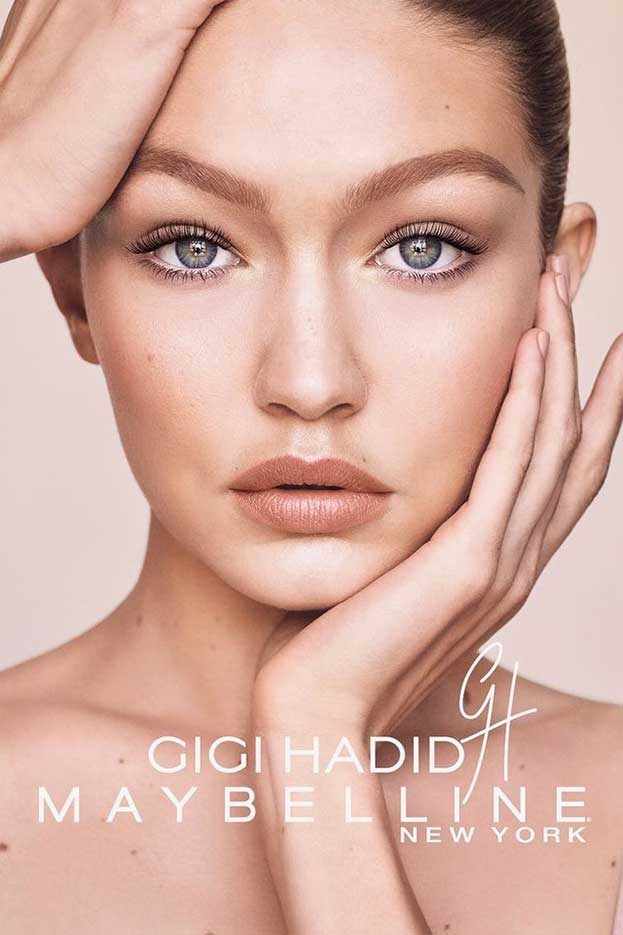






Finding Your Perfect Match: A Guide to Foundation Types and Undertones
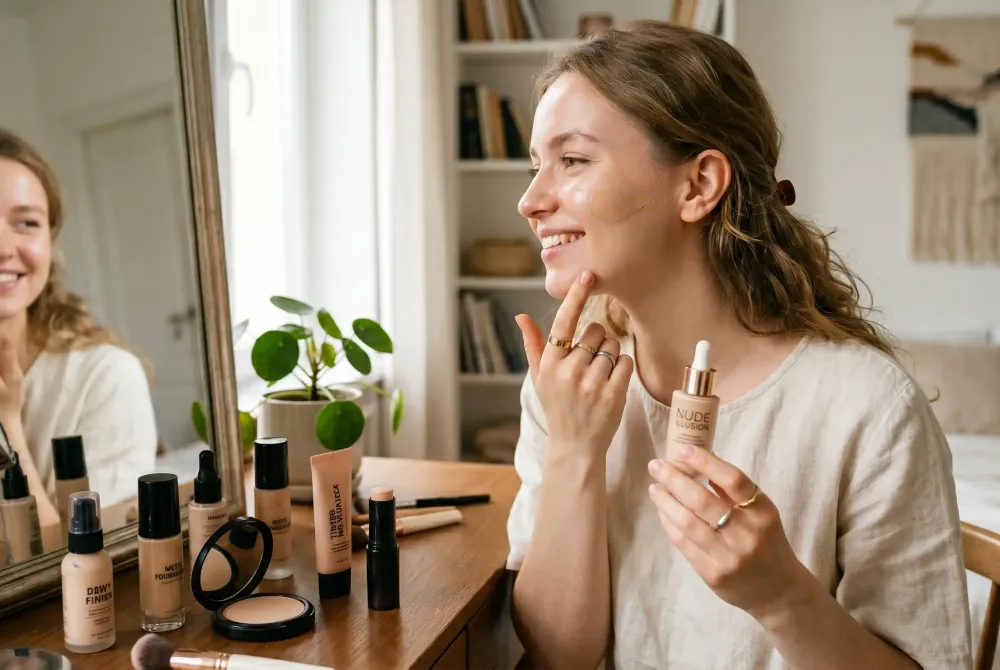
Finding the perfect foundation can feel like an impossible quest. Walk down any cosmetic aisle, and you are met with an overwhelming array of formulas: liquids, powders, creams, sticks, and tints—all available in dozens of shades. The secret to a flawless, "second-skin" finish lies in two critical factors: identifying your skin type to choose the right formulation, and determining your skin's undertone to select the perfect shade.
Step 1: Matching Formula to Skin Type
Applying the wrong formula can accentuate the very issues you are trying to conceal. Here is how to choose based on your skin's behavior:
- Dry Skin: Powders and matte liquid foundations can cling to dry patches and make the skin look flat or flaky. Instead, seek out liquid foundations with a luminous, dewy, or satin finish. Look for formulas infused with hydrating ingredients like hyaluronic acid, squalane, or botanical oils. Tinted moisturizers and serum foundations are also excellent choices.
- Oily Skin: For skin that produces excess sebum, you want a formula that will control shine and stay put. Matte or semi-matte liquid foundations, powder foundations, and oil-free formulas are your best friends. Look for keywords like "long-wearing," "shine-control," and "velvet finish."
- Combination Skin: If you are oily in the T-zone but dry on the cheeks, you need versatility. A satin-finish liquid foundation is usually a safe middle ground. Alternatively, you can use a hydrating foundation globally and set only the oily areas with a translucent powder.
- Mature Skin: As skin ages, it tends to lose moisture, and heavy makeup can settle into fine lines. Lightweight, buildable, and luminous liquid foundations work best to provide coverage while keeping the skin looking youthful and plump.
Step 2: Decoding Your Undertones
Your skin tone is the surface color of your skin (fair, medium, deep), which can change with sun exposure. Your undertone is the subtle hue underneath the surface, which never changes. Finding a foundation that matches your undertone is crucial for a natural look.
- Cool Undertones: Your skin has hints of pink, red, or blue.
- The Vein Test: Your wrist veins appear blue or purple.
- The Jewelry Test: Silver jewelry flatters your skin more than gold.
- Foundation Shade Names: Often include words like "Cool," "Rose," "Porcelain," or "Pink."
- Warm Undertones: Your skin has hints of yellow, peach, or golden.
- The Vein Test: Your wrist veins appear green or olive.
- The Jewelry Test: Gold jewelry makes your skin glow.
- Foundation Shade Names: Look for "Warm," "Golden," "Honey," or "Caramel."
- Neutral Undertones: You have a balance of both cool and warm tones; your skin is not overtly pink or yellow.
- The Vein Test: Your veins look blue-green.
- The Jewelry Test: Both silver and gold look great on you.
- Foundation Shade Names: Usually labeled "Neutral," "Beige," or "Buff."
Conclusion Always test foundation on your jawline—not the back of your hand—and view it in natural daylight before making a decision. Armed with the knowledge of your skin type and undertone, finding that holy grail foundation is no longer a guessing game, but a science.
No posts found
Write a review- г. Boston, 44 Main street
- +1(917)722-7425 (звонок бесплатный)
- +1(917)555-5555
- Mon-Sun 9.00 - 18.00
- demo@example.com
- View on map
© 2004 - 2026 Simtech. Powered by CS-Cart and premium theme — © AB: UniTheme2