
- г. Boston, 44 Main street
- +1(917)722-7425 (звонок бесплатный)
- +1(917)555-5555
- Mon-Sun 9.00 - 18.00
- demo@example.com
- View on map
-
 Theme possibilities Full list links of all active categories in your store
-
CatalogAll Full list links of all active categories in your store
-
Beauty Best Fragrances, Hair Care, Makeup
-
Personal Care Deodorants & Antiperspirants, Feminine Care, Oral Care
-
Bath & Body Body Lotions, Wash & Shower Gel
-
Health Allergy & Sinus, Diabetes Care, Digestive Health
-
Brands Full list of all brands in the store. Browse all brands









The Clean Beauty Revolution: What It Means and Why It Matters
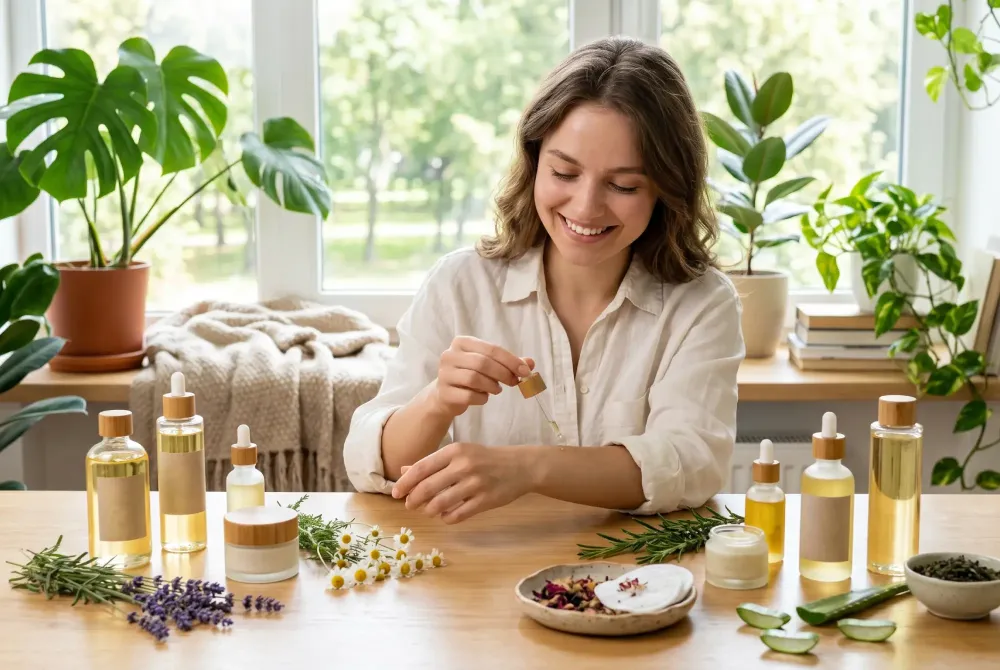
In recent years, the cosmetics industry has undergone a massive transformation. Consumers are no longer just asking "Does this product work?" but also "What is in this product, and is it safe?" Enter the Clean Beauty revolution. While "clean" is a term that lacks strict regulatory definitions, the philosophy behind it is reshaping how brands formulate and how customers shop. Let's explore what clean beauty truly entails and how to navigate this growing movement.
Defining Clean Beauty
At its core, clean beauty refers to cosmetic and skincare products created without proven or suspected toxic ingredients. It emphasizes safety over source. This means a clean product can contain synthetic ingredients, provided those synthetics are rigorously tested and proven safe for human health and the environment. Clean beauty sits at the intersection of efficacy and safety, ensuring you don't have to compromise your health for a glowing complexion.
The "Toxic" Ingredients to Avoid
While every brand has a slightly different standard, the clean beauty movement generally advocates for the omission of several controversial ingredients:
- Parabens (Methyl, Butyl, Ethyl, Propyl): Used as preservatives to prevent bacterial growth in makeup and skincare. They are controversial because they can mimic estrogen in the body, potentially disrupting the endocrine system.
- Phthalates: Often used to make fragrances linger or to make plastics more flexible. They are known endocrine disruptors and have been linked to reproductive issues.
- Sulfates (SLS and SLES): These are harsh detergents responsible for the foaming action in cleansers and shampoos. They can strip the skin and hair of natural oils, leading to severe dryness, irritation, and compromised skin barriers.
- Formaldehyde Releasers: Certain preservatives slowly release formaldehyde gas to prevent microbial growth. Formaldehyde is a known human carcinogen and a potent skin sensitizer.
- Synthetic Fragrances: The term "fragrance" or "parfum" on an ingredient list can act as a loophole, hiding dozens of undisclosed chemicals, many of which are common allergens and irritants.
The Environmental Aspect
Clean beauty isn't just about human health; it's heavily intertwined with sustainability. Many clean brands are committed to minimizing their environmental footprint. This includes using ethically sourced ingredients (like sustainable palm oil or conflict-free mica), utilizing recyclable or biodegradable packaging, and ensuring their formulas are reef-safe and do not pollute waterways.
How to Transition to a Clean Routine
Overhauling your entire beauty cabinet overnight is expensive and unnecessary. Here is how to transition smoothly:
- Start with what stays on your skin the longest: Replace your daily moisturizers, serums, and foundations first. Products that you wash off quickly, like cleansers, can be replaced later.
- Read the Labels: Familiarize yourself with ingredient lists. Look for certifications like EcoCert, Leaping Bunny, or EWG Verified to help guide your choices.
- Patch Test: "Natural" or "Clean" does not mean "allergy-free." Essential oils and botanical extracts used in clean beauty can still cause reactions, so always test new products on a small area of skin first.
Conclusion The clean beauty movement empowers consumers to make informed, conscious choices about what they put on their bodies. By understanding ingredient labels and supporting transparent brands, you can curate a beauty routine that is as safe and sustainable as it is effective.
No posts found
Write a review- г. Boston, 44 Main street
- +1(917)722-7425 (звонок бесплатный)
- +1(917)555-5555
- Mon-Sun 9.00 - 18.00
- demo@example.com
- View on map
© 2004 - 2026 Simtech. Powered by CS-Cart and premium theme — © AB: UniTheme2